
Why Five-Star Hotels and Michelin Restaurants Can't Afford Average Security
January 27 2026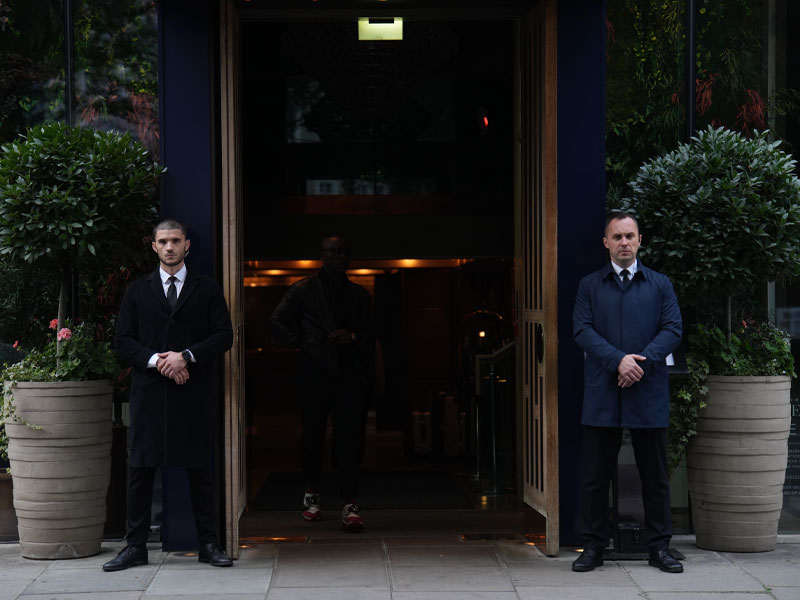
Nobody had a good answer.
Here's the uncomfortable reality: most luxury hotels and fine dining establishments are using security providers who wouldn't recognise hospitality-specific threats if they walked through the front door wearing a name tag. And they're only finding out when it's too late.
The One Thing Nobody Tells You About Hospitality Security
Standard security training teaches people to spot threats. Hospitality security requires something completely different - spotting threats whilst making guests feel like they're in the safest, most welcoming place in London.
That's not a small distinction. It's the entire job.
Watch security at Heathrow Terminal 5, then watch security at The Ritz. See the difference? One is designed to process thousands of people efficiently and catch obvious threats. The other is designed to be almost invisible whilst protecting some of the wealthiest, most privacy-conscious people on the planet.
Your business needs the second one. You're probably paying for something closer to the first.
The Three Threats That Standard Security Completely Misses
The Social Engineering Attack
A well-dressed person approaches your front desk. They're charming, professional, carrying what looks like legitimate paperwork. They claim to be from the interior design firm working on your refurbishment. They need quick access to the third floor to verify measurements.
Your security officer waves them through because they "look legitimate." Twenty minutes later, you've got a journalist photographing a celebrity in their suite, or someone's lifted guest valuables from supposedly secure areas.
Standard security officers check obvious credentials. Hospitality security specialists are trained to verify everything, question inconsistencies, and deny access confidently without creating confrontation.
The Reputation Time Bomb
A guest gets difficult in your restaurant. Maybe they've had too much wine. Maybe they're having a terrible day. Your security officer decides to "handle it” - which means physically escorting them out in full view of other diners.
Someone films it. By breakfast, you're trending on social media. The guest, who happens to be somewhat well-connected, is telling everyone who'll listen about their humiliating experience at your establishment.
The incident itself was manageable. How your security handled it just cost you bookings, damaged your reputation, and possibly triggered legal action for excessive force or discrimination.
Standard security sees a problem and removes it. Hospitality security manages situations so smoothly that other guests barely notice anything happened.
The Insider Job
Your biggest security vulnerability isn't random criminals off the street. It's the agency cleaner who started three weeks ago and already has master key access to every room. It's the night porter who's been selling guest information to tabloid journalists for £500 a tip. It's the sous chef's cousin who's working shifts in the kitchen and pocketing bottles of your vintage wine.
Most hotels and restaurants discover these problems months after they start, when losses become impossible to ignore or police arrive with arrest warrants.
Why? Because nobody vetted these people properly. Your hospitality security provider should be flagging hiring practices that create vulnerabilities and ensuring comprehensive BS 7858 screening for anyone with access to sensitive areas.
What Actually Works in Luxury Hospitality Environments
Forget the long lists of features and capabilities. Here's what separates security that protects your business from security that just costs money.
Officers Who Understand Service
Your security team should be indistinguishable from your front-of-house staff until the moment they need to act. Impeccable presentation, warm manner, genuine hospitality mindset—then instant professional response when situations develop.
This combination is rare. Most people are either security-minded (suspicious, defensive, controlling) or hospitality-minded (welcoming, trusting, accommodating). Finding personnel who can switch between these modes seamlessly is what you're paying for.
If your security officers look like they'd be more comfortable working nightclub doors than greeting guests at a five-star hotel, you've hired the wrong people.
Threat Intelligence That's Actually Relevant
Generic security briefings about pickpockets and suspicious packages are useless for luxury hospitality. You need intelligence about threats specific to your environment.
Which organised crime groups are currently targeting high-end hotels in Central London? What scams are being run on wealthy restaurant patrons this month? Are there activist campaigns targeting hospitality businesses in your sector? Which celebrity guests currently have paparazzi following them everywhere?
Hospitality security providers who understand London's luxury sector maintain this intelligence and adjust your security posture accordingly. Those who don't just turn up and hope nothing happens.
Crisis Management That Protects Your Brand
When incidents occur - and eventually, they will - how they're managed determines whether they're footnotes or disasters.
A medical emergency in your restaurant should be handled so smoothly that other diners barely notice anything happened. A theft from a guest room should be investigated thoroughly whilst maintaining absolute discretion. A difficult guest situation should be de-escalated professionally without creating scenes or social media content.
Your security provider either knows how to do this in hospitality environments or they don't. There's no middle ground.
The London Factor: Why Location Changes Everything
Running luxury hospitality in Central London creates specific challenges that providers need to understand instinctively.
The International Complication
Your Knightsbridge hotel hosts Saudi royalty, Russian oligarchs, American tech billionaires, and Japanese business executives - sometimes all on the same night. Each has completely different expectations about privacy, service, and appropriate security presence.
Security officers need cultural intelligence that goes far beyond "be polite to everyone." They need to understand diplomatic protocols, recognise when they're inadvertently causing offences, and adapt their approach to vastly different communication styles.
This sophistication only comes from extensive experience in London's international hospitality sector. You can't train it in a weekend course.
The Metropolitan Police Reality
When serious incidents require police involvement, having security providers with established Metropolitan Police relationships becomes crucial. Response times improve, communication flows better, and your concerns receive appropriate priority.
London-based providers operating in hospitality for years have cultivated these relationships. Companies operating remotely or new to the sector haven’t - and you'll notice the difference when you need police support urgently.
The Organised Crime Environment
London's concentration of wealth makes luxury hospitality a prime target for sophisticated criminal operations. Romance scams targeting wealthy hotel guests. Organised theft rings hitting restaurant supply chains. Professional criminals posing as guests to steal from rooms.
Security teams need specific intelligence about these operations, training in recognising professional criminals, and coordination with Metropolitan Police organised crime units.
Generic security providers don't operate at this level. They're focused on preventing shoplifting and checking IDs.
The Questions That Reveal Everything
Before hiring any security provider, ask these specific questions. Their answers tell you whether they understand hospitality.
"Which five-star hotels or Michelin restaurants have you provided security for in the past year?"
If they're vague, can't name specific venues, or only list standard hotels rather than luxury properties, they lack relevant experience. Verify whatever they tell you by calling those properties.
"Describe how you'd handle a celebrity guest being followed by paparazzi."
Listen for whether they understand the complexity - managing photographers without confrontation, protecting privacy whilst respecting press rights, keeping other guests unaware anything unusual is happening.
"Walk through your employee vetting process."
They should mention BS 7858 screening, extensive reference checks, and specific assessment of whether candidates have the temperament for luxury hospitality. If they just say "we do all the checks," they probably don't.
"Give me an example of a security incident you prevented that guests never knew about."
If they can't provide specific examples, they're reactive rather than proactive - and reactive security in hospitality means you're always dealing with visible problems.
When to Walk Away Immediately
Some red flags should end your consideration on the spot.
They've Never Actually Worked Your Environment
If their portfolio is office buildings, construction sites, and retail parks - with maybe one hotel that's not remotely comparable to yours - they’re hoping you won't notice they lack hospitality experience.
Experience in other sectors doesn't translate. The skills are fundamentally different.
Their Officers Look Wrong for Your Property
If the team they want to assign looks like they've just finished working nightclub security, they fundamentally don't understand luxury hospitality presentation standards. Your hospitality security officers should look like they could work in your front office if needed. That's the standard.
They Can't Explain Their Approach to Your Specific Risks
Every property has unique vulnerabilities based on location, layout, clientele, and operations. If they're offering you a generic security template rather than a bespoke approach developed for your environment, they don't understand what you need.
The Price Doesn't Make Sense
Hospitality security delivered properly costs a specific amount driven by vetting expenses, training requirements, experienced personnel wages, comprehensive insurance, and operational support infrastructure.
If someone's quote is dramatically cheaper than competitors, they're cutting corners somewhere— usually in ways that expose you to enormous liability when things go wrong.
What Success Actually Looks Like
Here's how you know you've hired the right provider:
Your guests feel safer and more comfortable, but they couldn't tell you exactly why. Your staff feel supported rather than monitored. High-profile visitors return specifically because they trust your security. Incidents that could have become disasters are handled so smoothly that nobody remembers them three days later.
When insurers audit your security arrangements, they're impressed rather than concerned. When guests with their own security teams visit, those professionals recognise your arrangements as appropriate for the environment.
Most importantly: you sleep well knowing that if something serious happens at 3am, you have people in place who'll handle it professionally whilst protecting your reputation.
That's not too much to expect from hospitality security. That's simply what the service should deliver.
The Decision You're Actually Making
You're not just choosing a security provider. You're deciding how much risk you're willing to accept in exchange for saving money on your security budget.
Every hotel general manager and restaurant owner eventually answers this question - either proactively through careful provider selection, or reactively after an incident forces the decision upon them.
The second option is dramatically more expensive. It includes legal fees, insurance claims, reputational damage, lost bookings, and the costs of fixing whatever went wrong whilst you're simultaneously dealing with the crisis.
Most people don't realise how much they've underinvested in security until they're sitting in a lawyer's office explaining why they hired providers who weren't qualified for their environment. By then, it's too late to do anything except pay the consequences.
The first option - investing appropriately from the start in hospitality security specialists who actually understand your environment - prevents these situations entirely. Which seems like the obvious choice when you frame it honestly.
Your property, your guests, your reputation. Your decision determines what happens to all three when something goes wrong.
Choose accordingly.
Running a five-star hotel or Michelin restaurant in London and questioning whether your security actually matches your standards? Let's have an honest conversation about what's protecting your business right now—and what should be.
Click here to contact us for more information.