What Makes an Exceptional Luxury Retail Security Officer?
January 09 2026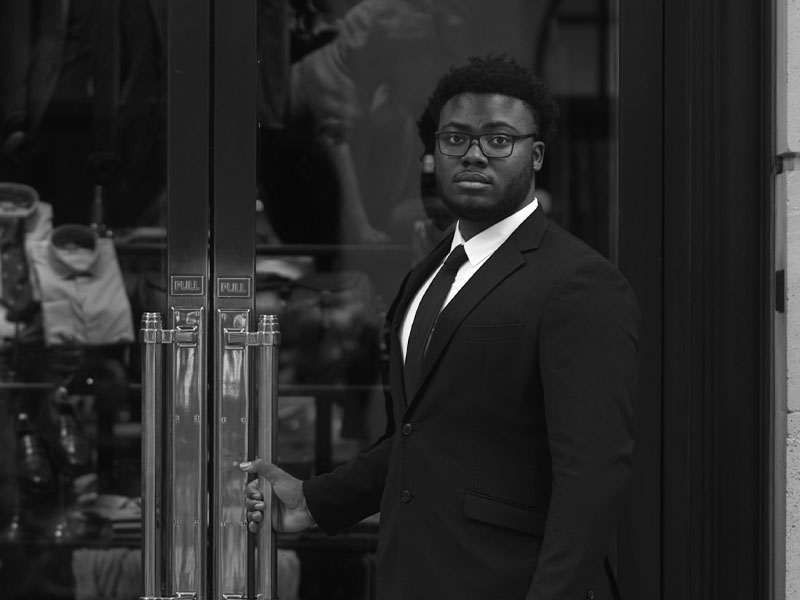
Walk into any Hermès on Bond Street or Harrods' designer floor, and you'll notice something immediately: the security presence doesn't look like security at all. That's not by accident. It's the result of hiring officers who understand that luxury retail security is an entirely different discipline from standard guarding.
The problem? Most businesses hiring luxury retail security have no idea what they should actually be looking for. They end up with officers who might meet the basic requirements on paper but who fundamentally don't understand the environment they're protecting.
Let's change that.
What a Luxury Retail Security Officer Actually Does (Beyond Standing at the Door)
If you think the job is simply about catching shoplifters, you've already missed about 80% of what matters.
Customer Experience Ambassador
This sounds corporate, but it's true. In luxury retail, your security team represents your brand to every single person who walks through the door. They're often the first human interaction customers have - and in luxury retail, every interaction counts.
Exceptional officers greet customers warmly, offer assistance with directions, help with bags, and read the room constantly. They know when to be invisible and when to step forward. They understand that a Russian oligarch's wife expects different service than a tourist buying their first designer handbag, and they adjust accordingly.
This isn't about being submissive - it’s about sophisticated people skills that come from genuine experience in high-end environments.
Threat Detection Without Creating Tension
Here's where it gets tricky. Officers need to spot potential theft or security issues whilst maintaining the relaxed, welcoming atmosphere that luxury retail demands. Customers spending £5,000 on a handbag don't want to feel like they're being watched by prison guards.
Top-tier officers develop an almost sixth sense for unusual behaviour. They notice someone casing the store layout, clock the person who's handled twelve items but hasn't engaged with staff, spot the coordination between two individuals who pretend not to know each other.
But they do it whilst appearing completely relaxed and friendly. That skill doesn't come from a weekend training course, it comes from years of experience.
Loss Prevention Strategy
Yes, catching thieves matters. But exceptional officers think several steps ahead.
They know where the blind spots are in your store layout and position themselves accordingly. They understand the difference between opportunistic theft and organised retail crime. They recognise the tactics used by professional shoplifting gangs who target luxury brands.
When someone does attempt theft, they handle it discreetly, escorting the individual away from public view, managing the situation professionally, documenting everything properly for potential prosecution.
The best officers have prevented far more theft than they've ever had to confront directly, simply through smart positioning and visible deterrence.
Emergency Response and Crisis Management
Fires. Medical emergencies. Aggressive customers. Power failures. Suspicious packages. In Central London retail environments, your officers need to handle everything.
They're trained in first aid, know evacuation procedures inside out, understand how to coordinate with emergency services, and can take charge of chaotic situations whilst keeping customers and staff calm.
When someone has a heart attack in your store (and eventually, someone will), you want an officer who can deliver first aid whilst directing someone to call 999, clearing space, and managing concerned onlookers - all without creating panic.
Brand Protection and Reputation Management
Luxury brands live and die by reputation. A poorly handled security incident that ends up on social media can damage your brand far more than the value of whatever was stolen.
Officers working in luxury retail security need to understand this instinctively. They know when to intervene, how to de-escalate situations, and when their visible presence is deterrent enough.
They're acutely aware that every interaction might be filmed and shared online, so professionalism isn't optional - it’s mandatory.
The Non-Negotiable Skills and Qualities
Impeccable Presentation
This goes beyond "smart uniform”. We're talking about officers who look like they could work in your store as sales staff. Immaculate grooming, perfectly fitted uniforms, polished shoes, confident posture.
If an officer turns up looking rough around the edges, you've hired the wrong person. In luxury retail, appearance communicates standards, both to customers and to potential thieves.
Discretion and Tact
Officers need to handle sensitive situations without drawing attention. Whether it's managing a shoplifting attempt, dealing with an intoxicated customer, or handling a complaint, they must do it quietly and professionally.
The worst luxury retail security officers are the ones who make every situation bigger than it needs to be - creating scenes that embarrass customers and damage your brand.
Communication Excellence
They interact with everyone from teenage tourists to international VIPs. They liaise with store management, coordinate with police, write detailed incident reports, and communicate with head office security teams.
Mumblers, officers with poor English, or people who can't articulate themselves clearly have no place in luxury retail. Clear, confident, courteous communication isn't negotiable.
Cultural Awareness and Intelligence
Central London luxury retail attracts customers from every corner of the planet. Officers need cultural sensitivity, awareness of different communication styles, and the intelligence to read situations correctly.
Treating a Saudi princess the same way you'd handle a group of students isn't just inappropriate - it can create serious problems for your business.
Physical Fitness and Presence
Officers spend 10-12 hours on their feet, patrol multiple floors, and need to respond quickly when situations develop. They can't do this if they're unfit or lack physical presence.
But "presence" doesn't mean intimidating. It means commanding respect through confidence, professionalism, and bearing - not through aggression or bulk.
What to Look For When Hiring
Proven Experience in Luxury Environments
Don't accept generic retail security experience as equivalent to luxury retail. It isn't.
Ask candidates: "Which luxury brands have you worked for?" Then verify it. Call those brands and confirm the officer actually worked there and performed well.
Officers who've worked Bond Street, Sloane Street, Harrods, Selfridges, or similar high-end environments understand what's expected. Officers whose experience is shopping centres and high-street stores probably don't.
Professional Training Beyond SIA Basics
The SIA licence is just the entry ticket. What training have they received since?
- Conflict management and de-escalation
- First aid and emergency response
- Customer service in luxury environments
- Threat recognition and loss prevention techniques
- Cultural awareness training
Exceptional officers continuously develop their skills. They attend courses, keep certifications current, and take their professional development seriously.
References From Comparable Environments
When checking references, don't just verify employment - ask about performance.
"How did they handle difficult customers?"
"Were they reliable with shift attendance?"
"How was their presentation and manner?"
"Would you hire them again?"
If references are lukewarm or the candidate can't provide references from luxury retail environments, that tells you something important.
Understanding of Brand Values
Officers need to understand that they represent your brand, not just provide security. In the interview, ask them about previous brands they've worked with—how did those brands position themselves? What made them different?
If they can't articulate this, they probably didn't truly understand those environments. They were just standing in a uniform.
What to Avoid: The Red Flags
Officers Who Look Like Bouncers
If someone looks like they've just come from working nightclub doors, they're wrong for luxury retail. The skill sets are completely different, and the aggressive, intimidating presence that works in nightlife actively damages luxury retail environments.
Your customers should feel safer with officers present, not nervous.
Poor Presentation Standards
Scuffed shoes. Ill-fitting uniform. Unshaven or poorly groomed. Slouching posture.
These aren't superficial concerns - they indicate someone who doesn't take the role seriously. If they can't maintain basic presentation standards, what else are they cutting corners on?
Inability to Articulate Experience
Ask candidates to describe a challenging situation they've handled. If they struggle to explain clearly what happened, how they responded, and why they made certain decisions, they either lack experience or lack the intelligence for luxury retail work.
Generic answers like "I stayed calm and called my manager" suggest someone who follows scripts rather than thinking independently.
Wrong Attitude Toward Customers
Some officers see every customer as a potential thief. This suspicious, adversarial mindset destroys the shopping experience in luxury retail.
The right mindset is: "Everyone is a valued customer unless proven otherwise.” Officers who can't adopt this approach won't succeed in high-end environments.
No Understanding of Luxury Retail Challenges
Organised retail crime targeting luxury brands operates very differently from opportunistic shoplifting. Professional criminals use sophisticated tactics - distraction techniques, multiple operatives, quick grab-and-runs.
Officers who don't understand these specific threats can't effectively counter them. Ask candidates about the particular challenges in luxury retail. Their answers will reveal whether they truly know this sector.
The Day-to-Day Responsibilities
Let's be specific about what officers actually do during their shifts:
Opening and Closing Procedures
Arriving early to conduct security sweeps and doing stock counts before the store opens. Checking all areas for signs of overnight intrusion. Testing alarm systems and communication equipment. Ensuring everything is secure before staff arrive.
At closing, performing final patrols - ensuring nothing is missing, checking all customers have left, securing entrances, setting alarms, and ensuring the premises are properly protected overnight.
Floor Presence and Patrol
Maintaining visible presence on the shop floor - not static, but moving naturally through the space. Positioning themselves strategically to observe entrances, high-value items, and vulnerable areas.
Interacting positively with customers and staff. Assisting with queries. Opening doors. Helping customers with heavy shopping bags. Creating a welcoming atmosphere whilst maintaining security awareness.
Monitoring and Observation
Watching for suspicious behaviour - people spending unusually long times examining security measures, individuals who seem nervous or evasive, groups who appear coordinated. Paying particular attention to customers carrying large carrier bags, especially if they look empty (a major red flag, as these bags are often used to conceal stolen goods).
Observing customer flow patterns and identifying when something's out of the ordinary. Noticing if someone enters, leaves, and re-enters multiple times. Tracking individuals who trigger their instincts without obvious reason.
Incident Response and Documentation
Responding immediately when theft occurs or when staff alert them to issues. Managing confrontations professionally and within legal boundaries. Detaining individuals appropriately when necessary and calling police support.
Documenting everything thoroughly - who was involved, what happened, what action was taken, what evidence exists. These reports may be used in court proceedings, so accuracy and detail matter enormously.
Communication and Coordination
Maintaining radio contact with other security personnel. Liaising with store management about concerns or incidents. Coordinating with police when required. Updating relief officers during handovers about anything relevant. Reporting maintenance issues, security system faults, or anything that could create vulnerabilities. Acting as the eyes and ears for management regarding security matters.
Emergency Management
Taking charge during fire alarms, medical emergencies, evacuations, or other crisis situations. Following established protocols whilst adapting to specific circumstances. Keeping people calm, directing them safely, and ensuring nobody is left behind.
Coordinating with emergency services when they arrive. Providing accurate information about what happened and any actions already taken.
Why Provider Choice Matters More Than Individual Officers
Here's something most businesses don't realise: even brilliant individual officers can't deliver consistent excellence if their employer doesn't support them properly.
Management and Supervision
Officers need strong operational management. Someone who visits regularly, addresses concerns, maintains standards, and acts as the bridge between the client and the security team.
When problems develop, and they always do eventually, you need management who responds immediately, not next week. Companies without proper management infrastructure can't deliver reliable luxury security services.
Training and Development
Good providers invest continuously in their officers' development. Regular refresher training, new skills courses, opportunities to learn and progress.
Providers who hire people then leave them to get on with it for years inevitably see standards decline. Skills get rusty. Bad habits develop. Complacency sets in.
Quality Control and Monitoring
How does the provider ensure standards are maintained? Do they conduct random spot checks? Review incident reports? Get feedback from clients? Monitor officer performance?
Without robust quality control systems, service quality becomes entirely dependent on individual officers' professionalism - and that's not a sustainable model.
Relief Cover and Contingency Planning
Officers take holidays, fall ill, or occasionally leave. How does the provider handle this?
Exceptional providers maintain a pool of trained relief officers who already know your site. When your regular officer calls in sick, the replacement turns up knowing your systems, your layout, and your expectations.
Poor providers send whoever's available that day, forcing you to brief them from scratch, often multiple times per month.
The Central London Luxury Retail Context
If you're operating in Mayfair, Bond Street, Knightsbridge, Belgravia, or similar areas, the threat environment is specific and sophisticated.
Organised Retail Crime
Professional criminal gangs specifically target luxury retailers. They research security measures, identify vulnerable times, coordinate multiple operatives, and execute rapid thefts of high-value items. Officers need to recognise the signs of organised operations and coordinate effectively with police and neighbouring stores when these gangs are active.
International Shoplifting Gangs
Groups who target multiple stores across London and even travel from abroad specifically to steal from luxury brands. They're organised, experienced, and difficult to catch.
Your officers need to be part of information-sharing networks where intelligence about active gangs gets communicated across the luxury retail sector.
High-Value Theft
When individual items are worth thousands of pounds, theft prevention becomes critical. Officers need to understand which items are particularly desirable to thieves and position themselves accordingly.
VIP and Celebrity Customers
Officers must handle high-profile customers discreetly. Preventing gawping from other customers, maintaining privacy, and managing any security concerns these individuals bring, all without making a fuss.
Tourist Vulnerabilities
Central London attracts tourists who may not understand UK laws around shoplifting or may come from cultures with different shopping norms. Officers need cultural sensitivity to distinguish between genuine misunderstanding and deliberate theft.
The Questions You Must Ask Providers
Before hiring any luxury retail security provider:
"Which luxury brands do you currently work with in Central London?"
Then verify it. Call those brands. Ask about the service quality. Would they recommend the provider?
"Can I meet the actual officers who'd work at my store?"
Don't accept "they'll be assigned closer to your start date."
You need to interview them now, before signing anything.
"What's your process if an officer isn't meeting our standards?"
How quickly can they be replaced? What's the procedure? Who makes the decision?
"How do you train officers specifically for luxury retail?"
Generic security training isn't enough. What specific preparation do they provide?
"What's your incident response procedure at 2am on a Sunday?"
Test whether they actually have proper 24/7 support infrastructure.
"How do you handle high staff turnover?"
If they claim they don't have any turnover, they're lying. Everyone has some turnover. The question is how they manage it.
"Can you provide three references from luxury retail clients you've worked with for at least two years?"
Long-term client relationships indicate consistent quality. New clients might not have discovered problems yet.
The Investment in Getting It Right
Exceptional luxury retail security officers cost more than average ones. Significantly more. But consider what you're protecting:
- High-value inventory worth millions
- Brand reputation built over decades
- Customer experience that justifies premium pricing
- Staff safety and wellbeing
- Your personal liability as the business owner
The difference between excellent security and mediocre security isn't just the occasional theft, it’s the cumulative impact on your brand, your losses, and your peace of mind.
When you hire someone who truly understands luxury retail, who presents impeccably, who handles every situation professionally, who makes customers feel welcome whilst keeping thieves away - that’s not an expense. That's an investment in your business.
Final Thoughts: Settling for Less Costs More
We've seen too many luxury retailers hire the cheapest security option, then spend months dealing with the consequences. Poor presentation that embarrasses the brand. Mishandled incidents that damage reputation. High officer turnover that means constantly training new people. Theft losses that dwarf any money saved on cheaper rates.
Here's the reality: in Central London luxury retail, security isn't a commodity service where you simply pick the cheapest quote. It's a skilled profession where experience, training, and professionalism directly impact your business outcomes.
The right luxury retail security officer enhances your brand, protects your assets, and creates an environment where high-value customers feel comfortable spending serious money.
The wrong officer does the opposite - and costs you far more than you ever saved on their wages.
Choose accordingly.
Operating luxury retail in Central London and ready to see what proper security actually looks like? Let's have a conversation about standards that match your brand.
Click here to contact us for more information.