
Is Your Security Provider Fit for the Services You've Requested, or Just the Most Convenient Option?
February 05 2026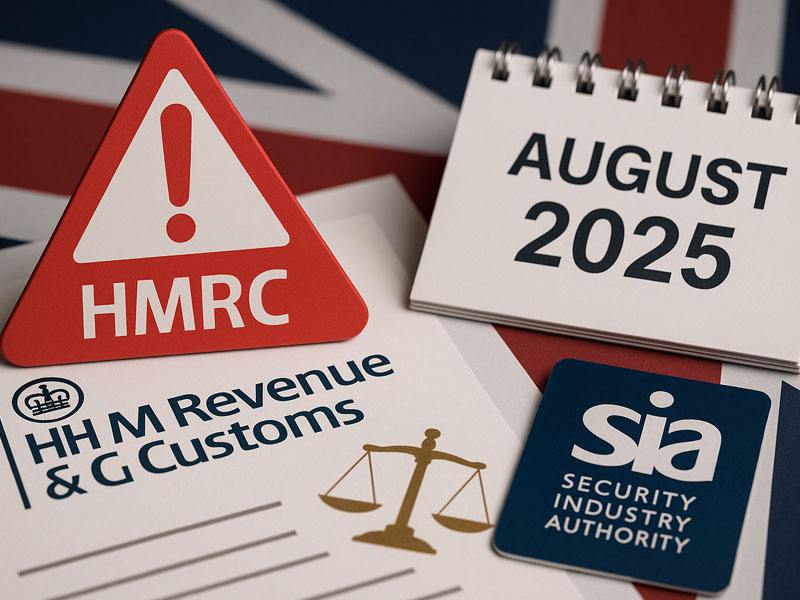
The UK's private security industry has experienced unprecedented growth over recent years. With
this expansion comes a concerning trend: a proliferation of providers who compete primarily on
price, often at the expense of compliance, quality, and ultimately, client safety. For discerning
clients across the UK - whether you're managing luxury retail brands, five-star hotels, prestigious
residential properties, corporate offices, or any business requiring security services - choosing the
right security partner has never been more critical.
Since August 2025, HMRC has intensified enforcement actions targeting non-compliant security
companies, working in conjunction with the Department for Work and Pensions (DWP) and the
Security Industry Authority (SIA). This crackdown has serious implications not just for noncompliant
providers, but for their clients as well.
The Media Silence: A Story You Haven't Heard
Here's what makes this situation particularly alarming: despite the scale and significance of this
enforcement action, the UK mainstream media has given it remarkably little coverage. Thousands
of security companies across Britain received compliance warnings from HMRC in April 2025,
joint agency investigations began in August, yet most UK business owners remain completely
unaware of the risks they're facing.
This lack of media attention means that right now, across the UK, businesses are continuing to
engage with non-compliant security providers without realizing they're exposing themselves to
serious legal and financial consequences. The enforcement is happening quietly, systematically, and
many clients will only discover the problem when investigators arrive at their door.
If you're currently using a security provider, now is the time to audit their compliance status.
Don't wait for enforcement action to reveal problems. Take proactive steps to verify that your
current provider meets basic regulatory requirements. If they don't, consider transitioning to an
established security company with a proven track record in your sector.
Understanding what separates a legitimate, compliant luxury security services provider from an
opportunistic operator is essential for protecting both your assets and your reputation.
The Hidden Costs of "Convenient" Pricing
When evaluating security proposals, the lowest bid often appears attractive. However, in an industry
where regulatory compliance involves significant costs - proper employment practices,
comprehensive insurance, accreditation fees, and ongoing training - rock-bottom pricing should
raise immediate red flags.
The Employment Status Issue: PAYE vs. Self-Employment
One of the most prevalent compliance failures in the security sector involves misclassification of
workers. HMRC expects security workers to be treated as employees for income tax and National
Insurance purposes under typical arrangements, with salary payments processed through PAYE.
Companies that classify their officers as self-employed to avoid these obligations are operating
outside regulatory requirements.
This practice creates multiple risks:
For the Security Provider:
- Significant back-tax liabilities
- Penalties from HMRC
- Potential criminal prosecution
- Loss of SIA accreditation
- Business closure
For the Client:
- If your security provider is non-compliant and you haven't conducted proper due diligence,
your business faces legal trouble, financial exposure, operational disruption, and serious
questions from customers, auditors, and the press - Vicarious liability concerns
- Insurance coverage gaps
- Reputational damage
- Service interruptions when providers are shut down
Reputable security services understand that proper employment practices aren't optional extras—
they're fundamental business requirements that protect everyone involved.
Essential Accreditations Every Security Provider Must Hold
1) Security Industry Authority (SIA) Licensing
The SIA is the statutory organisation responsible for regulating the private security industry in the
UK, requiring compulsory licensing of individuals who undertake designated activities within the
private security sector.
What to verify:
- All security personnel hold valid, individual SIA licences
- Licences match the specific role being performed
- Officers' licences can be verified on the official SIA Register of Licence Holders
- The company itself doesn't make false claims about SIA "membership" or "registration"
Red flag: Claiming to be an approved contractor when this is not the case is an offence under
section 16 of the Private Security Industry Act 2001, with penalties including fines up to £5,000 on
summary conviction or unlimited fines on indictment.
2. SIA Approved Contractor Scheme (ACS)
The ACS represents the gold standard for security providers in the UK. The scheme is based on
ISO9001 and the European Foundation for Quality Management Excellence Model, with companies
assessed against 89 individual indicators of achievement.
Key assessment areas include:
- Management capability and structure
- Operational effectiveness
- Employee screening to BS 7858 standards
- Training and development programs
- Customer care protocols
- Health and safety compliance
- Quality assurance processes
How to verify: Check the official SIA Register of Approved Contractors on the government
website. Don't rely solely on certificates or logos - verify independently.
3. ISO Certifications
Established security services should hold relevant ISO certifications that demonstrate systematic
approaches to quality, safety, and information management.
ISO 9001: Quality Management This certification demonstrates the provider has implemented
robust processes for consistently delivering quality services, continuous improvement, and customer
satisfaction.
ISO 14001: Environmental Management Particularly relevant for providers working in luxury
properties and hotels, this shows commitment to sustainable operations and environmental
responsibility.
ISO 27001: Information Security Management Critical for any security provider handling
sensitive client information, access control data, or surveillance footage. This certification proves
the company has implemented comprehensive information security protocols.
ISO 45001: Occupational Health and Safety Demonstrates the provider prioritizes the safety and
wellbeing of their security personnel through systematic health and safety management.
How to verify: Request copies of current certificates from accredited certification bodies (BSI,
SGS, UKAS-accredited providers). Verify the scope of certification covers the services you require.
Critical Due Diligence Questions
Physical Presence: Real Office or Virtual Address?
Legitimate security providers maintain genuine operational headquarters with:
- Physical office space for administrative functions
- Control rooms for incident monitoring and response
- Meeting facilities for client consultations
- Storage for equipment and uniforms
- Training spaces
Red flags:
- Virtual office addresses or mailbox services
- Residential addresses listed as business premises
- No ability to visit or inspect facilities
- Reluctance to meet at their offices
Management Structure and Capacity
A well-established security company serving high-value clients requires substantial operational
infrastructure:
Operations Management:
- Dedicated operations managers (not just the company director)
- 24/7 control room staff for live incident support
- Specialist supervisors for different client sectors
- Clear escalation procedures for critical incidents
- HR and Compliance Functions:
- Dedicated compliance officers
- HR personnel managing recruitment and vetting
- Training coordinators ensuring ongoing development
- Health and safety officers
Account Management:
- Designated account managers for client relationships
- Regular review meetings and performance assessments
- Proactive communication about personnel changes
Warning signs:
- Single director handling all functions
- No visible management team
- Inability to provide emergency contacts outside business hours
- High staff turnover in management positions
Screening and Vetting Standards
Proper security screening to BS 7858 standards represents best practice in the security sector. This
comprehensive vetting standard should be non-negotiable for anyone providing security to luxury
clients.
BS 7858 screening includes:
- Verification of identity documents
- Five-year employment history check
- Five-year address history verification
- Criminal record checks (DBS/Disclosure Scotland)
- Credit reference checks
- Social media screening
- Right to work verification
- References from previous employers
Ask to see:
- Written vetting policies
- Sample (anonymized) vetting documentation
- Records of ongoing re-vetting schedules
- Procedures for handling adverse findings
Insurance Coverage
Comprehensive insurance isn't just advisable - it’s essential. A properly insured security company
protects both themselves and their clients.
Minimum insurance requirements:
- Public liability insurance (minimum £10 million for luxury venues)
- Employers' liability insurance (£5 million minimum, required by law)
- Professional indemnity insurance
- Product liability if providing equipment
- Cyber liability for companies handling client data
Verification steps:
- Request copies of current insurance certificates
- Contact the insurance provider directly to confirm coverage
- Check that the policy covers the specific services being provided
- Verify coverage amounts are adequate for your risk profile
Track Record and Client References
Established providers serving the luxury sector should readily provide:
- Client testimonials from comparable venues:
- Other five-star hotels
- High-end retail brands
- Luxury residential developments
- Corporate headquarters
- Cultural institutions
Verifiable case studies demonstrating:
- Length of client relationships (multi-year relationships indicate stability)
- Types of challenges successfully managed
- Crisis situations handled effectively
- Awards or industry recognition
Red flags:
- Only generic testimonials
- References from unrelated industries
- Unwillingness to facilitate reference calls
- Very recent client relationships only
- AI-generated or stock photography on websites
Experience and Expertise
True expertise comes from years of hands-on experience, not marketing materials. When evaluating luxury security services providers:
Look for evidence of:
- Senior management with extensive industry backgrounds
- Specialized training in luxury hospitality or retail security
- Understanding of discretion and service culture
- Knowledge of threat assessment specific to high-value environments
- Experience with crisis management and business continuity
Questions to ask:
- How long have key personnel been in the security industry?
- What relevant qualifications do management team members hold?
- Can they describe specific challenges unique to luxury environments?
- How do they stay current with evolving threats and best practices?
- What continuing professional development is required for their team?
Warning signs:
- Recently established companies claiming extensive experience
- Stock photographs of security personnel on websites
- Generic security knowledge without sector-specific understanding
- Inability to discuss nuanced challenges in luxury security
- Over-reliance on AI-generated content or marketing speak
The 2025 Compliance Crackdown: What You Need to Know
Starting August 2025, HMRC, the Department for Work and Pensions, and the Security Industry Authority began joint investigations into security sector compliance. This multi-agency approach represents a fundamental shift in enforcement.
Timeline of Enforcement
April 2025: 12,000 security companies across the UK received letters from HMRC warning of compliance reviews and providing deadlines for corrective action.
August 2025: Joint enforcement actions began, with agencies conducting coordinated investigations into non-compliant providers.
Ongoing: Security firms face increasing scrutiny regarding PAYE, National Insurance, and employment status requirements, with serious consequences for continued non-compliance.
Your Immediate Action Required
If you currently have a security provider in place, don't assume they're compliant. Given the lack of media coverage around these enforcement actions, many clients have no idea their provider may be operating outside regulatory requirements.
Take these steps now:
- Schedule a compliance audit meeting with your current provider
- Request documentation proving their compliance status
- Verify their claims independently using official government registers
- Review your contract for liability clauses related to provider compliance
- Assess your exposure if your provider is found non-compliant
If your current provider cannot demonstrate compliance with basic requirements, it's time to consider switching to an established security company that already operates within the regulatory framework. The disruption of changing providers is far less damaging than the consequences of being caught with a non-compliant contractor.
Your Responsibility as a Client
Many clients mistakenly believe compliance is solely the security provider's concern. However, hiring practices create shared responsibility.
Your due diligence obligations include:
- Verifying provider compliance before contract award
- Documenting your verification process
- Maintaining records of accreditation checks
- Reviewing compliance status periodically throughout the contract
- Acting promptly if compliance issues emerge
Potential consequences of inadequate due diligence:
- Joint liability for unpaid taxes
- Regulatory penalties
- Contract invalidation
- Insurance coverage disputes
- Reputational damage
- Criminal prosecution in extreme cases
Your Compliance Checklist: 15 Questions Before You Hire (or Continue)
Whether you're selecting a new provider or auditing your current one, work through this comprehensive checklist:
Regulatory Compliance
1. ☐ Are all security officers individually SIA licensed for their specific roles?
2. ☐ Can the company provide verifiable proof of SIA Approved Contractor Scheme status?
3. ☐ Does the company employ its officers through PAYE (not self-employment)?
4. ☐ Have you independently verified their accreditations on official government registers?
Business Legitimacy
5. ☐ Does the company operate from genuine business premises (not virtual offices)?
6. ☐ Can you visit their offices and meet the management team?
7. ☐ Is there an adequate management structure to support your contract?
8. ☐ Do they have 24/7 operational support and emergency contacts?
Quality and Standards
9. ☐ Does the company hold relevant ISO certifications (9001, 27001, 45001)?
10. ☐ Do they screen personnel to BS 7858 standards?
11. ☐ Can they demonstrate ongoing training and development programs?
12. ☐ Have they provided verifiable references from similar luxury clients?
Insurance and Protection
13. ☐ Does the company carry adequate insurance coverage for your risk profile?
14. ☐ Have you verified insurance coverage directly with the insurance provider?
15. ☐ Does their insurance specifically cover the services they'll provide to you?
Industry Best Practices for Luxury Security
Leading security services in the luxury sector go beyond mere compliance—they embody a culture
of excellence.
The Luxury Security Difference
Discretion and Presentation:
- Well-groomed, impeccably presented officers
- Understanding of luxury hospitality service culture
- Ability to blend seamlessly with the environment
- Excellent communication and interpersonal skills
Proactive Risk Management:
- Regular threat assessments
- Intelligence-led security planning
- Scenario planning and rehearsal
- Integration with broader risk management strategies
Technology Integration:
- Modern access control systems
- Sophisticated CCTV with advanced analytics
- Real-time incident reporting
- Integration with building management systems
Continuous Improvement:
- Regular client review meetings
- Performance metrics and KPIs
- Feedback mechanisms
- Ongoing training and skill development
The True Cost of Getting It Wrong
The consequences of hiring a non-compliant security provider extend far beyond immediate financial considerations.
Operational Risks
- Service interruption if the provider is shut down
- Inadequate security coverage during critical periods
- Failed security incidents due to poorly trained personnel
- Breach of your own insurance policy condition
Legal and Regulatory Risks
- HMRC investigations and potential joint liability
- Prosecution for failing to conduct adequate due diligence
- Contract disputes and legal fees
- Regulatory sanctions from industry bodies
Reputational Risks
- Media coverage of security failures
- Customer concerns about safety and security
- Loss of luxury brand positioning
- Difficulty attracting high-value clients
- Damage to shareholder value
Financial Risks
- Liability for unpaid taxes and penalties
- Legal fees defending against claims
- Increased insurance premiums
- Loss of business during security failures
- Costs of emergency security provider changes
Making the Right Choice: Established vs. Convenient
Selecting a security company isn't about finding the cheapest or most convenient option—it's about
identifying a partner who enhances your reputation, protects your assets, and operates with
unwavering integrity.
The Investment in Excellence
Established luxury security services cost more than cut-price alternatives because they deliver:
- Fully compliant employment practices
- Comprehensive insurance protection
- Rigorous vetting and ongoing training
- Robust management infrastructure
- Quality assurance systems
- Financial stability and reliability
This investment protects your brand, your clients, and your peace of mind.
Why Established Providers Matter
In the current enforcement environment, working with a long-standing, reputable security services
provider offers crucial advantages:
Proven Compliance Track Record:
- Years of operating within regulatory frameworks
- Established relationships with regulatory bodies
- Demonstrated ability to adapt to changing requirements
- Documented compliance processes and procedures
Financial Stability:
- Ability to weather enforcement actions and market changes
- Investment in proper infrastructure and systems
- Sustainable business model that doesn't rely on regulatory shortcuts
- Resources to maintain comprehensive insurance coverage
Industry Reputation:
- Long-term client relationships that can be verified
- Recognition from industry bodies and peers
- Track record of successful service delivery
- Established protocols for handling complex situations
Operational Maturity:
- Refined processes developed over years of service
- Experienced management teams
- Comprehensive training programs
- Sophisticated technology and systems
Questions to Ask Yourself
Before making your decision, consider:
- Can I afford the consequences if this provider fails?
- Would I be comfortable defending my due diligence process publicly?
- Does this provider reflect the quality and values of my brand?
- Am I confident they can handle a crisis effectively?
- Will they be a genuine partner or just a contractor?
- How long have they been successfully operating in my sector?
Conclusion: Due Diligence is Your Responsibility
The security industry is at a critical juncture. Regulatory enforcement is intensifying, standards are rising, and clients face increasing accountability for their provider choices. The 2025 compliance crackdown represents a decisive shift toward greater accountability and legitimacy.
What makes this situation particularly dangerous is the lack of media attention. While enforcement actions proceed systematically across the UK, most business owners remain unaware of the risks. You may be working with a non-compliant provider right now, completely unaware that you're exposing your business to serious legal and financial consequences.
Don't wait for enforcement action to reveal problems with your current provider. Take immediate steps to audit their compliance status. If they cannot demonstrate they meet basic regulatory requirements, begin the process of transitioning to an established security company with proven credentials in your sector.
For clients in the luxury sector, this environment creates both challenges and opportunities. The challenges lie in navigating a crowded marketplace where not all providers are what they claim to be. The opportunities come from partnering with genuinely reputable security services that elevate your operations and protect your reputation.
Your due diligence process isn't just a box-ticking exercise - it’s a strategic imperative. By asking the right questions, verifying credentials independently, and understanding what truly distinguishes established providers from opportunistic operators, you protect your business, your clients, and yourself.
In an industry where trust is paramount and consequences of failure can be severe, there's no room for shortcuts. The most convenient option is rarely the right option. Choose wisely, verify thoroughly, and partner with providers who share your commitment to excellence and compliance.
The security industry is changing. Enforcement is happening now, quietly. Make sure your provider is ahead of the curve, not in the crosshairs.
For more information about reputable security services and compliance best practices, consult industry resources including the Security Industry Authority, HMRC guidance, and relevant ISO standards documentation.
Government & Regulatory Body Links Added:
- HMRC → https://www.gov.uk/government/organisations/hm-revenue-customs
- Department for Work and Pensions (DWP) → https://www.gov.uk/government/
organisations/department-for-work-pensions - Security Industry Authority (SIA) → https://www.sia.homeoffice.gov.uk
- SIA Register of Licence Holders → https://www.sia.homeoffice.gov.uk/register-search
- SIA Approved Contractor Scheme (ACS) → https://www.sia.homeoffice.gov.uk/acs
- SIA Register of Approved Contractors → https://www.sia.homeoffice.gov.uk/acs/approvedcontractors
- ISO → https://www.iso.org